Field notes: the subdivision that cleared twice before the loan finally closed
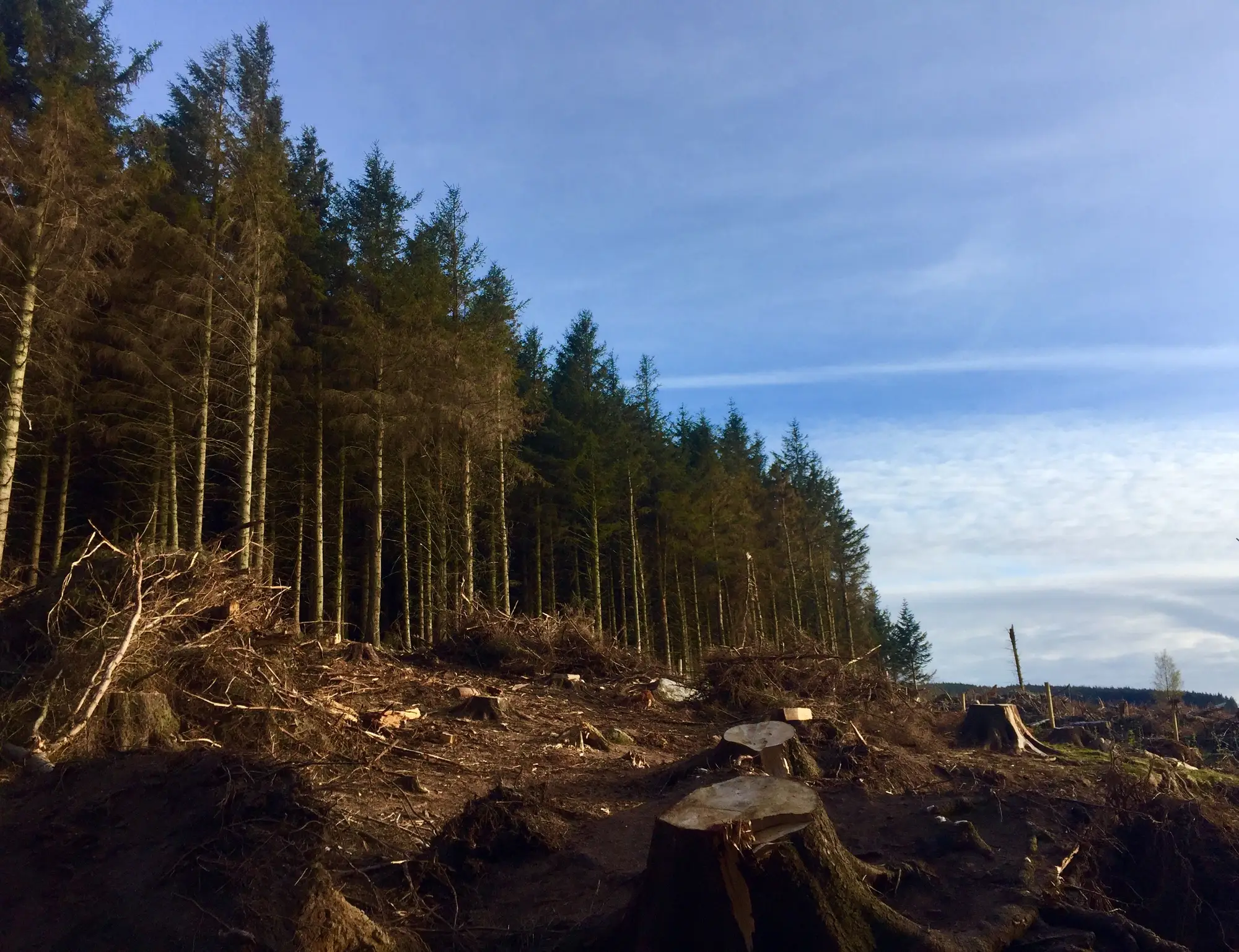
A rep on our list flagged a tract back in the spring: dozer work along the frontage, a rough access cut punched in off the county road, a few acres of brush pushed into windrows. Textbook early-stage site prep. The kind of thing that usually means a grading permit is three to six months out and a materials order isn't far behind.
Then nothing. No silt fence went up. No second pass. The windrows sat there through summer, grass came back up around the edges, and the cut track grew over enough that you'd have missed it from the road if you didn't already know it was there.
Come October, the dozers were back. Same tract, same frontage, this time with real intent: perimeter fencing, a grubbed pad where the model lots were going, erosion control staked in before the first rain. The permit showed up in county records about ten weeks later.
Two clearings, one subdivision, roughly five months apart. Ask around enough and you'll hear some version of this story more than once. That's simply how a certain kind of deal moves, in two passes instead of one.
What happens in between is usually money, not dirt. A developer gets a commitment letter from the bank, feels good enough about it to start pushing brush and cutting an access road, and then the deal hits a snag before the construction loan fully closes.
Rate lock expires. An appraisal comes in short. A partner backs out of the equity piece. The grading contractor gets pulled off to another job and the site sits half-cleared until someone re-signs the paperwork. When the loan finally closes, the same crew, or a different one, comes back and finishes what the first pass started.
If you only caught the first clearing and treated it as your green light, you'd have been early by half a year and possibly wrong altogether, because some of these sites never get a second pass. The land sits scraped and idle for a year or two while the deal dies quietly, and nobody files anything because there's nothing left to file. That's the trap in treating any single clearing event as the signal. The tell is whether the site keeps moving after that, week over week, toward something that looks like a real pad and a real access road instead of a stalled-out scrape.
Score a parcel over multiple passes, not one. Watch it long enough to see whether the clearing holds, stalls, or restarts. A tract that gets touched once and goes quiet for a season is a different bet than one where the fencing goes up two weeks after the brush comes down and the access track gets graded smooth the week after that. Both start with the same first photo. They end up meaning very different things to your order book.
That's the whole argument for keeping a running watch on parcels instead of checking in on them whenever you happen to drive by. A one-time flyover or a satellite image from last spring would've shown you the first clearing and left you guessing about everything that happened after. A weekly read on the same ground catches the stall, the dormant summer, and the restart in October, which is the part that actually told you the deal was real.
If you've got a handful of parcels you've been meaning to track instead of guessing from the last time you drove past, that's the exact gap our weekly parcel-alert feed is built to close.
Watch the parcel, not just the permit.