Blog
 Farmer clearing a field vs. developer prepping a site: telling them apart
How to tell agricultural clearing from development site prep in satellite imagery, plus the false positives that trip up land watchers.
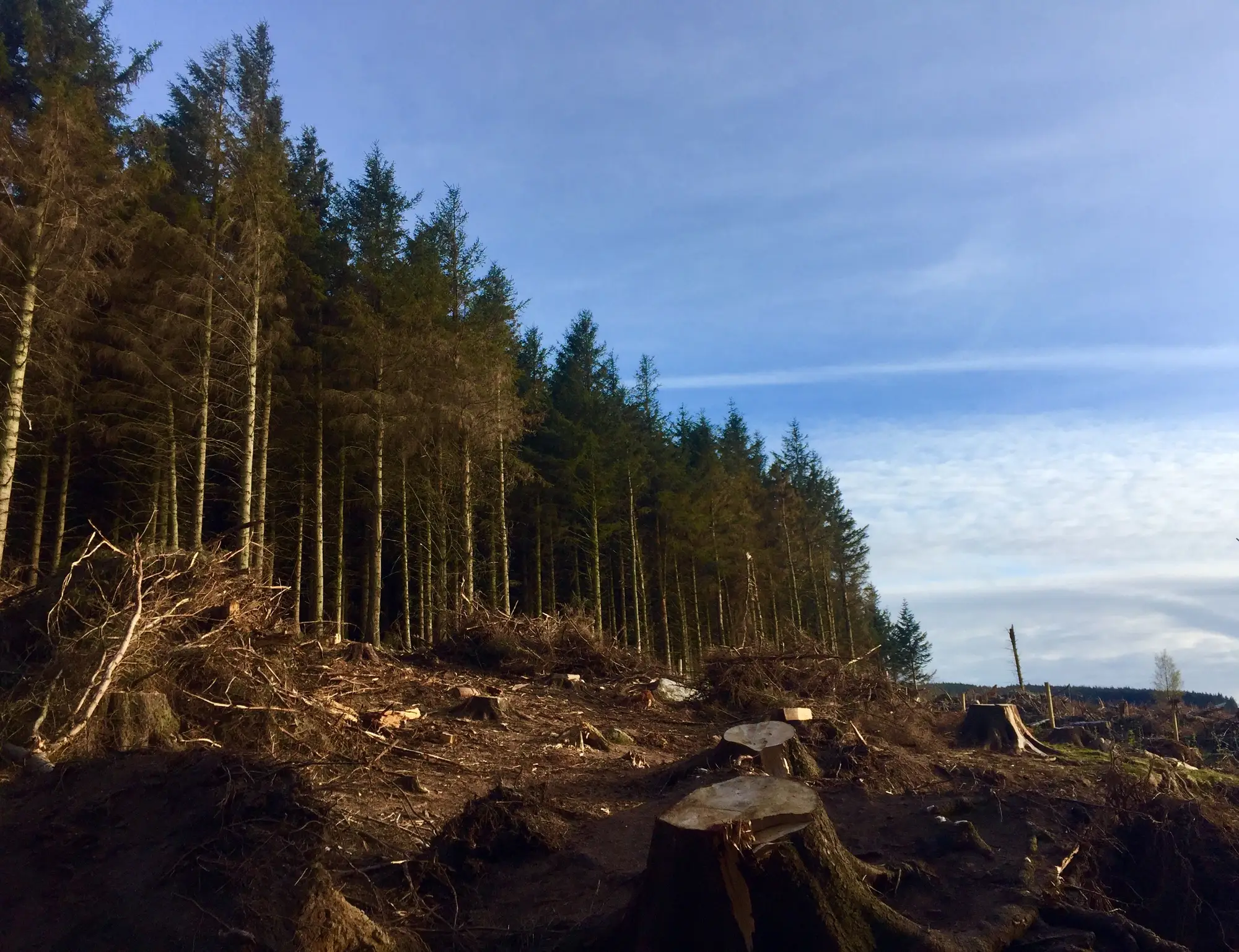 What is a land disturbance permit threshold, and why some sites dodge it
Land disturbance permits kick in at an acreage cutoff, so sites cleared in phases under that line never show up in public records at all.
- Field notes: the subdivision that cleared twice before the loan finally closed
A tract got scraped, sat dormant for a season, then got scraped again. What the double clearing says about reading pre-permit activity right.
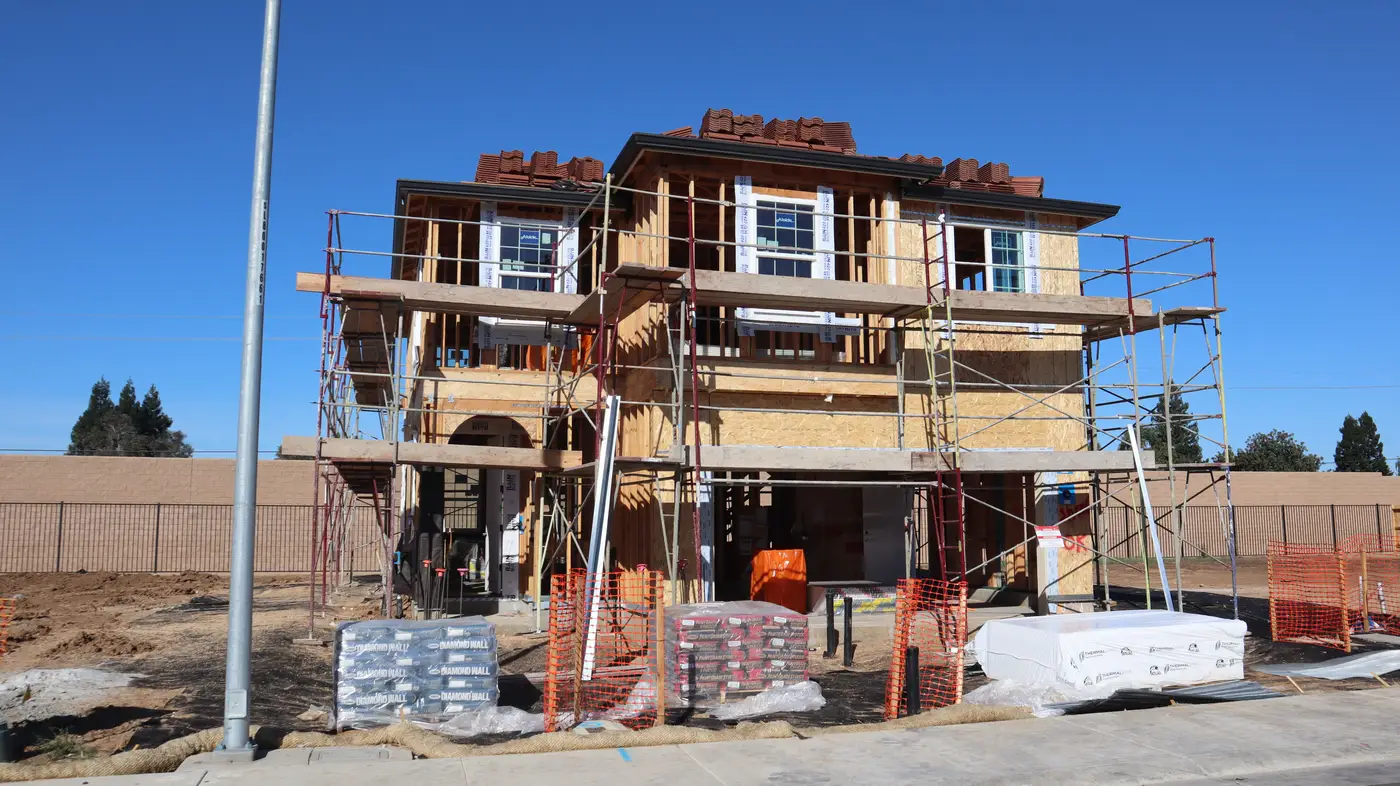 Detention pond dig or building pad cut? Reading early grading from above
How to tell a stormwater pond excavation from a building pad clearing in aerial imagery, and why the order they show up matters to a materials supplier.
- How to spot a material staging yard before a job site breaks ground
What a laydown area and equipment staging look like on raw ground, weeks before permits post, and what to watch for on a drive-by.
- Temporary construction fencing vs permanent farm fencing in satellite imagery
Chain-link site fence reads differently than a property line in aerial imagery. Here's what to look for on a parcel you're tracking pre-permit.
- Access road cut vs. utility easement clearing in satellite imagery
How to tell a developer's access road cut from utility easement clearing in satellite imagery, before a permit ever hits county records.
 Field notes: the parcel we almost stopped watching
A watch-list parcel sat quiet for fourteen months, then cleared in a week. What the slow stretch teaches about pre-permit timing.
- How to read a zoning map to find undeveloped parcels for your product line
A field guide for materials sales reps: how to pull zoning maps, filter by zoning class, and shortlist undeveloped parcels before the permit filing hits.
- What a preliminary plat is, and why it shows up before the permit
Preliminary plat vs final plat, where plat filings sit in the permit timeline, and why the ground still moves first.
- Field notes: the three weeks between the fence and the first truck
A field-notes look at what happens on a job site between the fence going up and the first material delivery, and why it matters to suppliers.
- How to get on a developer's bidders list before the job goes out to bid
Bidders list get built during pre-construction, not when the RFQ lands. Here's how material suppliers get added early, and why permits are too late.
- How early does fencing go up before a building permit gets filed?
Construction fencing timing before a permit filing varies by jurisdiction and builder. Here's why fencing is a weak tell and what isn't.
- Land banking vs. a committed development site: what's the difference
Land banking parks capital in dirt for years. A committed site strips brush, fences the line, and cuts access within weeks. Here's how to tell the two apart.
- How to tell a cleared building pad from a logging deck in aerial imagery
A logging deck and a cleared building pad both look like brown dirt in green timber. Here's what actually tells them apart.
- How to tell a cleared lot from a mowed lot in satellite imagery
A mowed lot and a cleared lot look alike at a glance. Here's how to tell routine upkeep from real vegetation stripping before the permit posts.
- How to estimate concrete and aggregate demand from a subdivision plat
How to pull lot count, street footage, and other quantities off a subdivision plat and convert them into a concrete and aggregate yardage estimate.
- Site clearing vs. storm damage: reading the difference in satellite imagery
How to tell a cleared pad site from windfall in satellite imagery: edge shape, stump pattern, access cuts, and timing against storm records.
- Silt fence vs construction fence: what each one tells you about a site's timeline
Silt fence and construction fence show up at different points in a site's life. Here's how to read each one and what it means for your bid timeline.
- What is a notice to proceed, and why suppliers watch for it
What an NTP is, when a contractor can legally start work, and why waiting for it leaves material suppliers chasing an order already placed.