How early does fencing go up before a building permit gets filed?
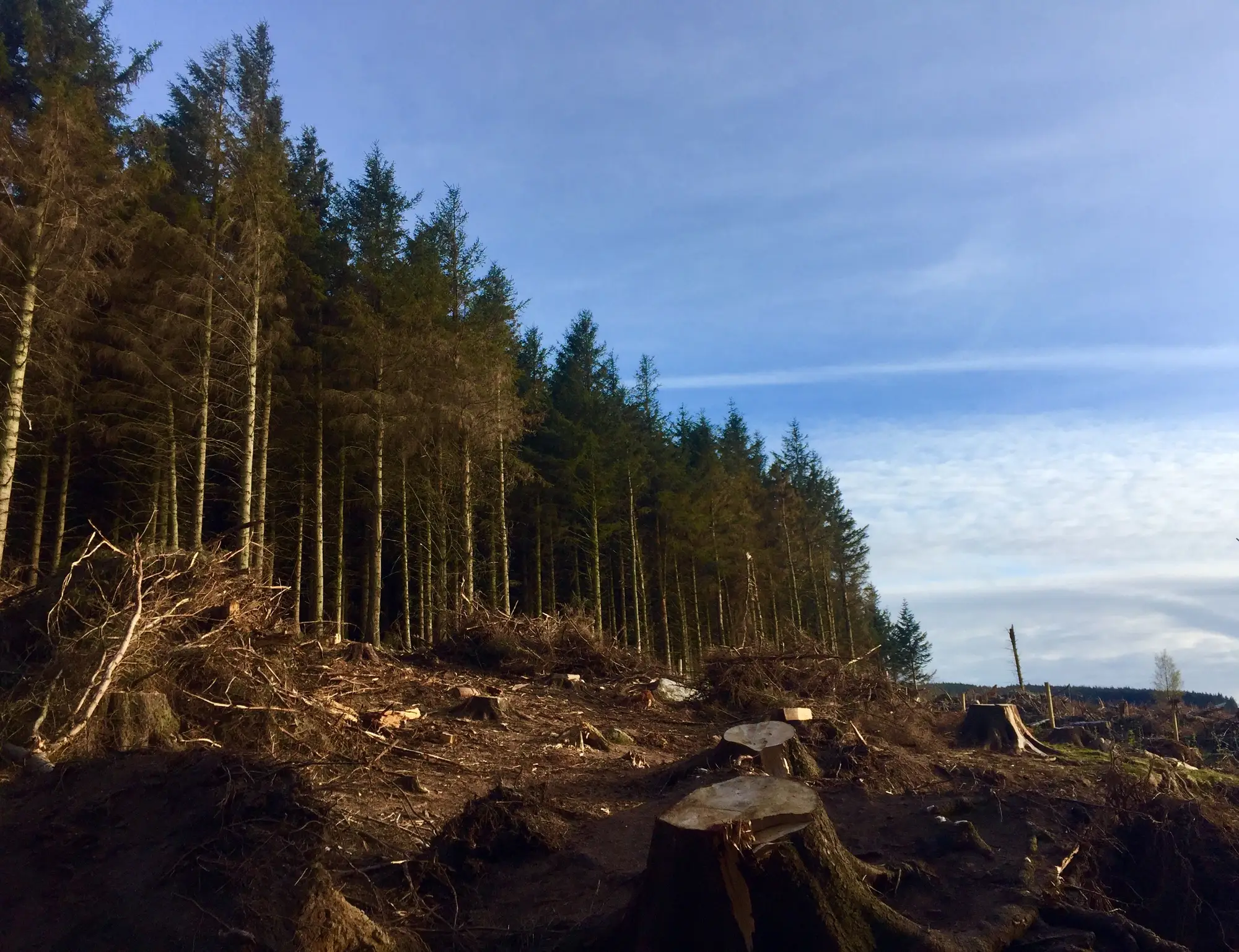
If you've been tracking a parcel by watching for the chain-link to go up, you've probably noticed it doesn't follow a consistent clock. On some sites, fencing shows up six to eight weeks before the building permit hits the county portal. On others, it's there the same week the land closes, months before anyone pulls a permit of any kind. There's no fixed pre-permit site fence timeline, and that's the part most guides on this topic skip.
Why fencing timing is all over the map
Fencing gets triggered by whichever event comes first: the land closing, the start of grading, or a requirement baked into a grading or land-disturbance permit that's often filed and approved well ahead of the building permit (and in a lot of counties, tracked in a different system entirely, if it's tracked online at all).
A developer who just closed on a parcel will often fence it fast, sometimes within days, just to keep out scrappers, dumpers, and liability. That fence tells you the deal closed. It doesn't tell you when grading starts, next month or next year. On the other end, some GCs don't bother fencing until equipment is mobilizing, which can land right up against the building permit date or even after it.
Add in the fact that a lot of jurisdictions require perimeter fencing as a condition of the erosion control plan, not the building permit, and you get sites where the fence appears weeks before building-permit filing because the grading permit cleared first, and other sites where the sequence is reversed because the builder self-performed grading under a blanket permit and never needed a separate one.
So if you're asking "how early" expecting a number like "always 45 days," there isn't one. Construction fencing before a permit filing can lead by anywhere from a couple weeks to several months, or it can lag the filing entirely. It depends on the builder's own sequencing, the county's permit structure, and whether the site needed grading approval before anything else.
The more reliable tell: clearing and access cuts
Fencing alone is a fine confirmation but a poor leading indicator, because it can mean "we closed on the land" just as easily as "we're mobilizing next week." What doesn't vary much is the physical sequence on the ground once a developer has committed money to moving dirt. Vegetation gets stripped. A rough access track gets cut in from the road so trucks can get on site.
Fencing often goes up around the same window as the clearing, but the clearing itself is the harder tell, because a developer doesn't clear a parcel speculatively. Fencing a vacant lot costs a few thousand dollars and a phone call. Clearing it costs real money and commits the site.
That's the gap a lot of regional reps are trying to close: by the time the fence and the silt sock show up in a drive-by, or by the time the permit posts publicly, the bid has usually already gone to whoever got in front of the GC first. The developers and GCs who are furthest along already know the project schedule. You're the one finding out from a sign on a chain-link gate.
If you've got a list of parcels you'd rather not drive past every week to check, this kind of watch works better run automatically against satellite passes, flagging the week a watched parcel gets stripped or cut in, before the permit record catches up.
Worth getting on the list if county permit portals keep beating you to sites you already had your eye on.