How to get on a developer's bidders list before the job goes out to bid
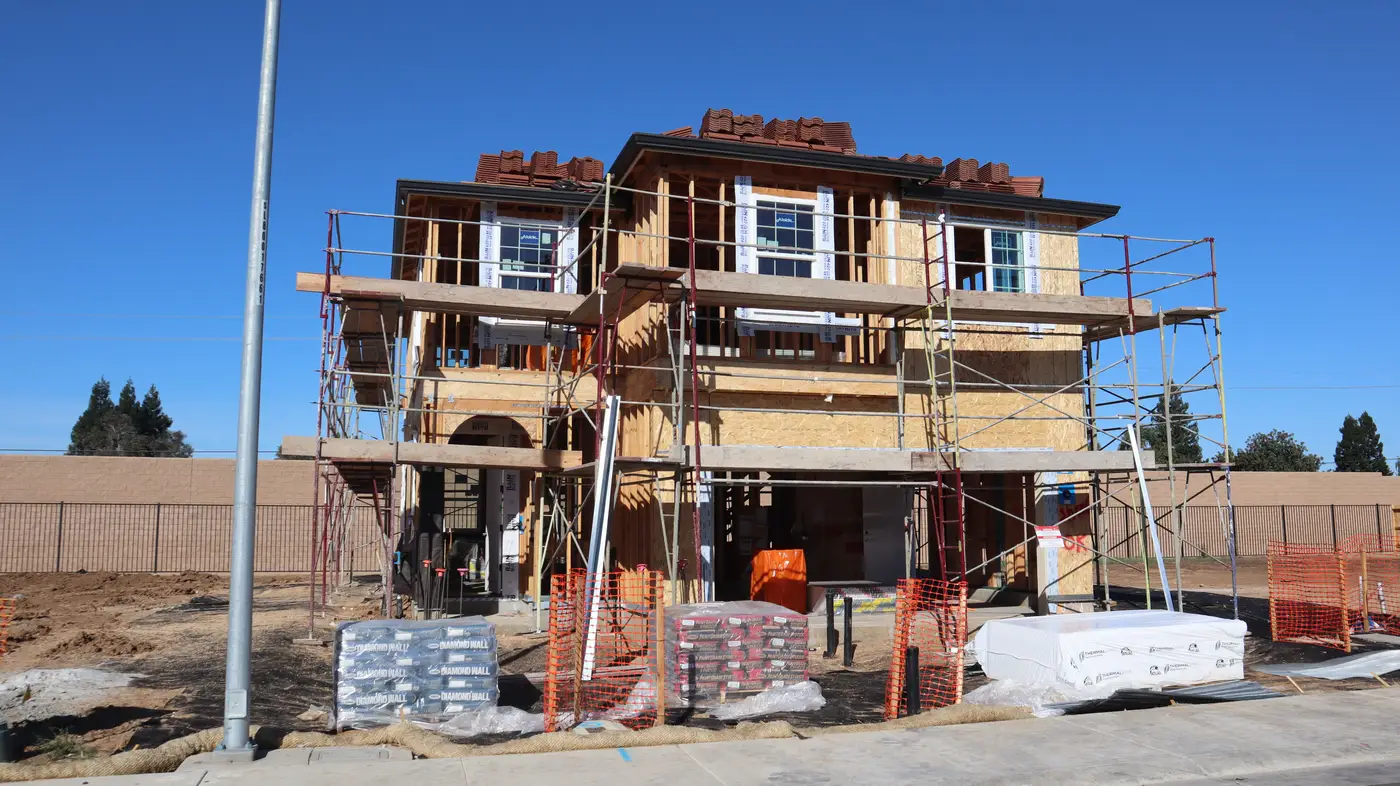
By the time a bid invitation shows up in your inbox, the general contractor has usually already decided who's going to see it. The list of qualified subs and suppliers for a job gets assembled during pre-construction, months before anyone issues a formal RFQ. Getting added to that list after it's already drafted means hoping for a second look after the fact, and that almost never happens on anything with real volume.
This is the part a lot of regional sales managers get backwards. They treat the bid invitation as the starting line. It's closer to the finish line of a process that started when the developer first walked the site.
Why the bidders list fills up before you ever see an RFQ
A GC's buyout team builds its sub and supplier list off a few things: who they've used before, who an estimator trusts, and who showed up early enough to get a seat at the pre-con table. None of that happens on a public timeline. There's no notice, no posting, no signal that says "we're building our bidders list now." It happens in conversations, site walks, and budget pricing requests that go out quietly while the project is still being entitled.
Aggregate and concrete suppliers feel this hardest because site work is the first trade to mobilize. When a developer is already talking to a site contractor about rough grading before the permit posts, that site contractor's material suppliers are the ones getting the early call. The suppliers who show up after the dirt is already moving are chasing a list that closed weeks earlier.
What actually gets a supplier added to the list
Relationships do most of the work here, but relationships need a reason to start. The reason that works is timing: calling an estimator or developer's project team while they're still scoping the job, not after they've committed to a vendor. A call that says "I saw you've got activity on that parcel on Route 9, what's your timeline for site prep" lands differently than a cold call six months later asking to be added to a bid list for a job that's already buttoned up.
Showing up to pre-bid meetings matters too, but you can only show up to a meeting you know is happening. Most regional managers find out about those meetings from a GC contact who already likes them, which puts you back at square one if you don't have that contact yet. The suppliers who break into a new account usually do it by getting there before the GC has locked in a supplier list, not by being the loudest voice once it has.
Budget pricing requests are the other door in. A developer's team pulling together preliminary numbers before a permit filing will often call three or four suppliers for rough pricing, and that early list tends to carry forward into the actual bid package. Getting one of those calls usually means someone already knew to reach out to you, which loops back to timing again.
The real problem: permit records tell you too late
Most suppliers' only system for finding new work is watching permit filings, and permits are a lagging indicator. A permit filing means the developer has already finished site selection, already picked a GC or is close to it, and in a lot of cases has already started pricing the site work. If you're reading about a project for the first time in a permit database, you're reading about it the same week three competitors are.
The tell that actually comes before the permit is what happens on the ground: a parcel getting cleared of brush, a fence line going up, an access track getting cut in. Developers don't fence and clear land they haven't committed to. That work happens weeks or months before anything hits public record, and it's the same window when buyout conversations are starting.
If you're already tracking a handful of parcels in your territory, a weekly feed that flags when one of them gets fenced or stripped gives you a reason to make that call while the project team is still assembling a supplier list.
Get ahead of the next bid list before it exists.