Silt fence vs construction fence: what each one tells you about a site's timeline
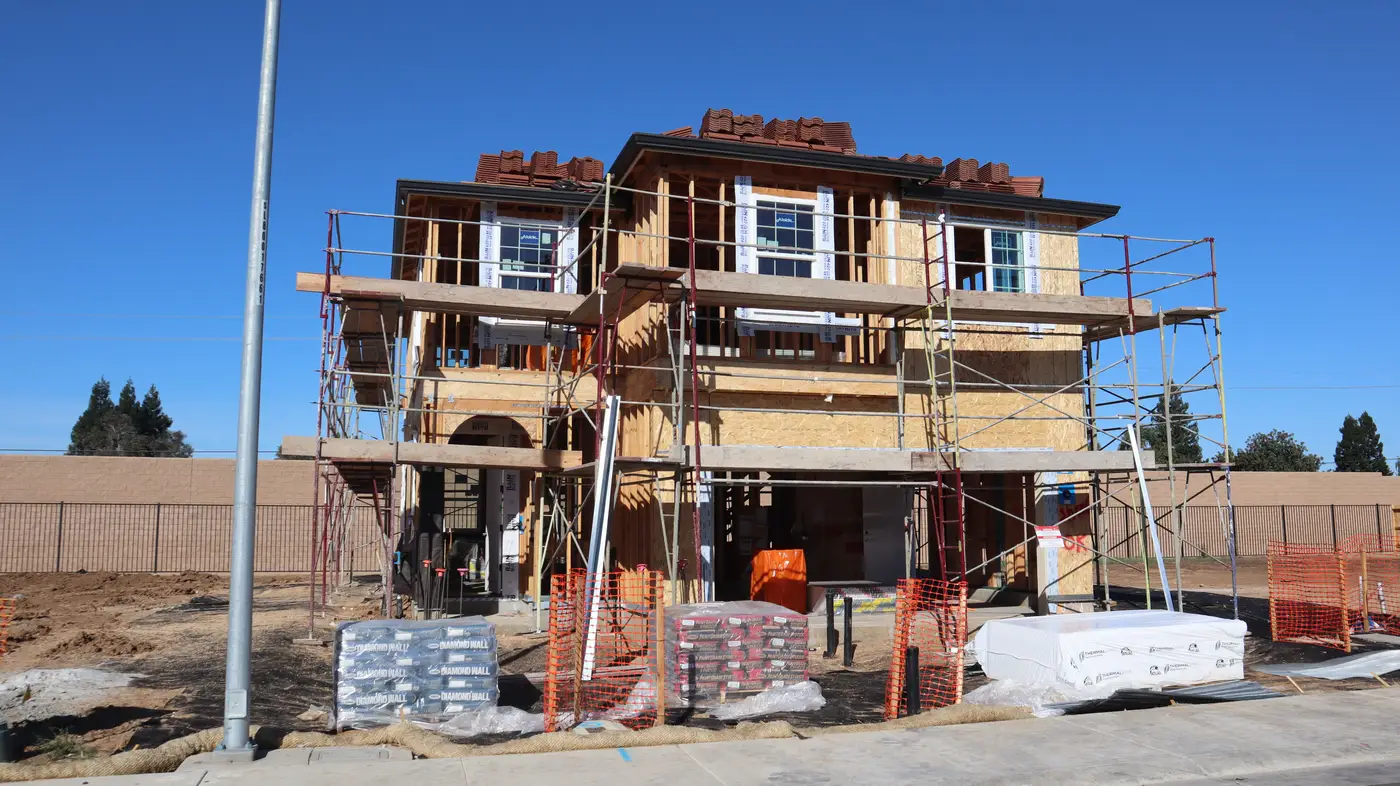
Drive past a vacant parcel often enough and you start noticing fence before you notice anything else. Two kinds show up, and they don't mean the same thing. Mix them up and you'll misjudge how far along a site is, which matters a lot if you're trying to get a bid in before the general contractor has already picked a supplier.
Silt fence is the erosion-control tell
Silt fence is the black or orange woven fabric strung along T-posts, usually following the contour of the low side of the site. It's there because the permit for land disturbance, whether that's a grading permit or coverage under the state's construction stormwater general permit, requires sediment controls before dirt gets turned. In a lot of jurisdictions the SWPPP has to be in place and the erosion control measures installed before the first scraper moves.
That means silt fence alone, with no other site activity, tells you the owner or their civil engineer has gotten through plan review on the erosion control side and is cleared to start grading. It does not tell you a builder has been selected, a GC has mobilized, or vertical construction is scheduled. Plenty of parcels sit with silt fence up for months while the owner works through due diligence, financing, or a slow-moving entitlement process on the rest of the project. Straw wattle along a creek buffer is the same signal, just a cheaper version of it.
Perimeter fencing is the mobilization tell
Construction fence, the chain-link panels on concrete feet, or the solid privacy screen some municipalities now require, is a different animal. That goes up when a contractor is securing the site: keeping equipment from walking off, keeping the public out of a liability zone, sometimes satisfying a city ordinance tied to the building permit itself. A locked gate, a contractor's sign zip-tied to the fence, a Conex box staged inside the fence line. That's a crew that has mobilized or is about to.
Perimeter fence going up after silt fence has been sitting idle for a while is usually the real signal you're watching for. It means the gap between "permitted to disturb soil" and "actually building something" has closed. An access track getting cut to the far corner of the lot, gravel or crushed stone going down for equipment to get in and out, tells you the same thing from a different angle.
Reading the sequence, not just the fence
The order matters more than either fence on its own. Silt fence with nothing else for weeks is a site still working through approvals. Silt fence followed within a short window by perimeter fencing, an access cut, and vegetation coming down is a site where someone has committed real money and a schedule. That second pattern is the one that should move a parcel to the top of your call list, because the permit filing that makes it public record is usually still weeks out from that point.
Most regional reps don't have time to drive every watched parcel every week to check which fence is up and whether a track got cut since the last pass. That's the gap we built the weekly parcel feed at Land Clearing Alerts to close: it flags vegetation stripping, fencing changes, and access-track cutting on the parcels you're tracking, so you see the mobilization pattern before the permit shows up in the county system.
If you've got a short list of parcels you check by habit, that's exactly the kind of watching this is built to take off your plate.