What is a land disturbance permit threshold, and why some sites dodge it
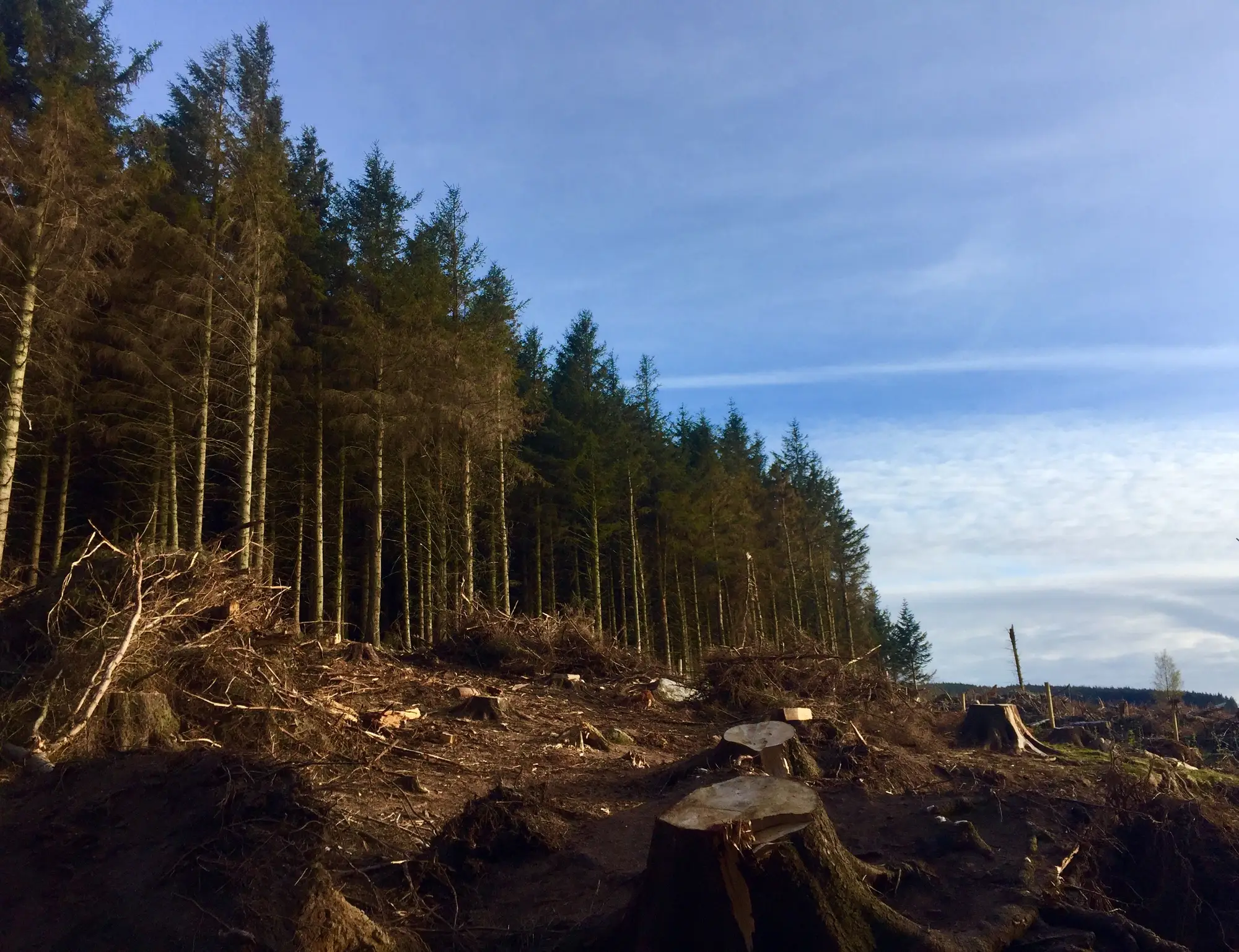
If you've ever watched a parcel get bulldozed, benched, and fenced with no permit ever showing up in the county's online portal, you've run into the disturbance threshold problem. The gap is built into how the rules are written, and it means a materials supplier who only tracks permit filings misses a real chunk of the sites that are moving on the ground.
The threshold itself
Most states set their land disturbance permit requirement off the federal Clean Water Act construction general permit, which kicks in at one acre of disturbed ground. Below that, there's typically no NOI, no SWPPP, no public filing at all. States and counties can tighten that number, some drop it to a half acre in sensitive watersheds, and plenty of local grading ordinances layer their own acreage cutoff on top for anything that isn't already covered by a building permit. But the baseline most sales reps are used to checking against is that one-acre line, and it's the wrong number to anchor on if you're trying to catch activity early.
Here's the part that trips people up: the threshold is measured against disturbed acreage, not parcel size. A 40-acre tract can get a road cut, a staging pad, and a cleared building envelope that together land under an acre, and the county never sees a filing for it. The developer is following the ordinance exactly as written.
Why small sites skip the permit on purpose
A few patterns show up over and over on parcels that never trip the threshold:
Phased clearing. A grading contractor strips the access track and the pad for a model home or a single building first, stays under the acreage cutoff, and pulls the disturbance permit for the rest of the site later, if at all, once the first phase is already committed. By the time that second filing hits the record, the dirt work has been running for months.
Exempt categories. Agricultural operations, timber harvest, and utility right-of-way clearing are exempt from disturbance permitting in most jurisdictions regardless of acreage. A parcel that gets logged "for timber" and then sits cleared with a gravel pad and a fence line going in isn't necessarily a timber operation anymore, it just hasn't been reclassified yet.
Sites under local review. Plenty of counties only require a disturbance permit when a parcel also needs a building permit or a subdivision plat. A developer buying raw ground and doing site prep ahead of that filing, grubbing, rough grading, cutting the entrance, can sit in permit limbo for a long stretch before anything shows up searchable.
None of this is fraud. It's sequencing, and smart developers sequence their paperwork the same way they sequence their trades: get the dirt moving, lock in the site plan, pull permits as each phase requires one. For a GC or a developer, that's just good project management. For a regional sales manager trying to get a bid list in front of the right super before the competition does, it means the permit search you run every Monday morning is structurally blind to a real share of active sites.
What to watch instead of the filing
If the permit threshold means paperwork can lag the dirt by months, the fix isn't a better permit search, it's watching the ground directly. Fencing going up around a previously open field, a cleared access cut running from the road to the interior of the parcel, vegetation stripped in a pattern that matches a pad or a building envelope rather than a firebreak or a timber sale. Those are the same tells a civil engineer or a grading super would read off an aerial before they'd trust a permit database, and they show up whether or not the project ever crosses the acreage cutoff that would force a public filing.
That's the gap a weekly parcel-alert feed is built to close: watched parcels checked on a cadence, flagged the week something on the ground actually changes, no dependence on a filing that a sub-acre phase may never generate.
If you'd rather see the clearing than wait on the paperwork, that's the whole idea behind Land Clearing Alerts.