What is a notice to proceed, and why suppliers watch for it
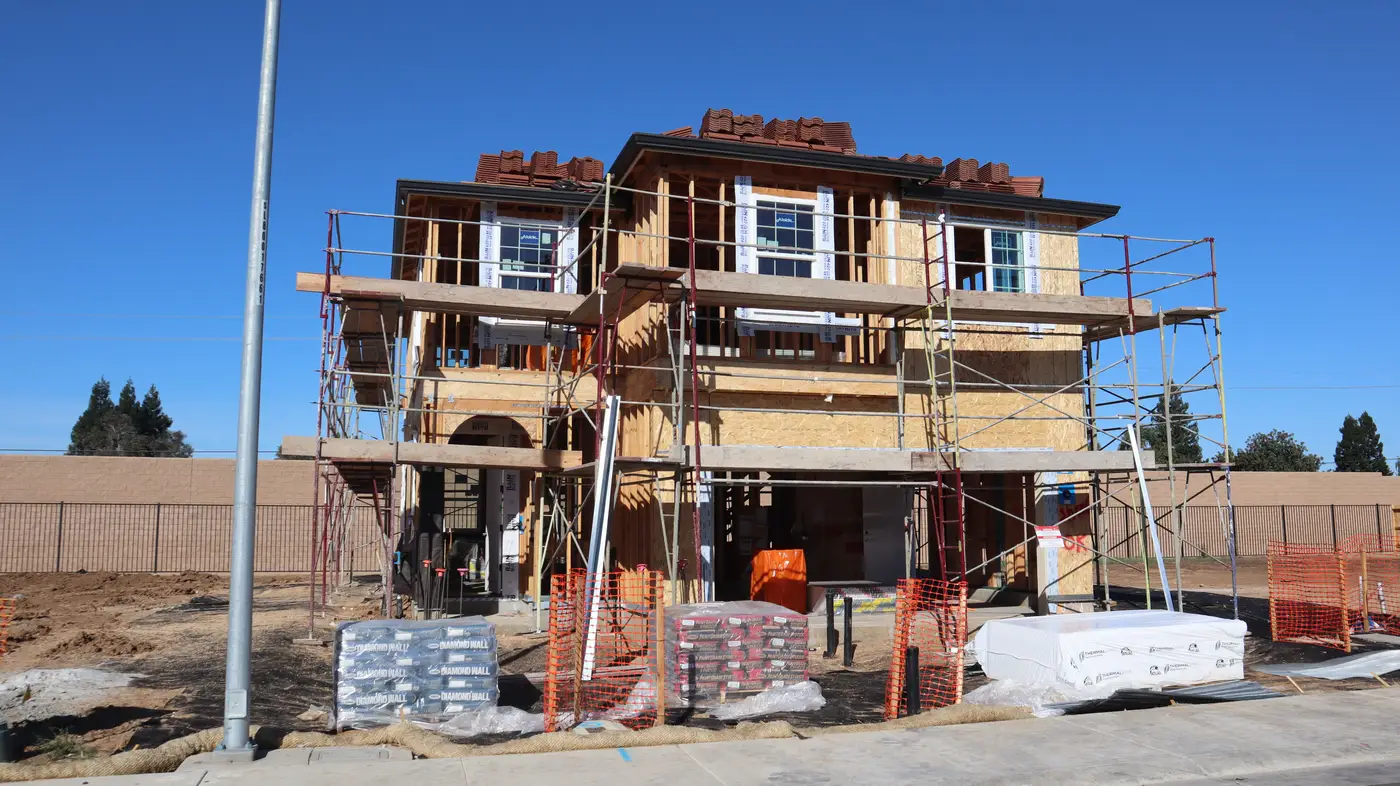
A Notice to Proceed, usually just called an NTP, is the document that tells a contractor the clock has started. The owner or the general contractor issues it after the contract is signed, bonding and insurance are in place, and any conditions in the contract (survey complete, utility locates done, sometimes the grading permit itself) are satisfied. Once it's issued, the contractor has a legal green light to mobilize and begin work under that contract, and the project schedule usually counts forward from that date.
That sounds like paperwork. For a regional materials rep it's closer to a starting gun.
Why your order window opens at NTP, not before
Contracts get signed weeks or months before any dirt moves. A GC might have a signed contract in March and still not issue NTP until June, waiting on a permit, a bonding delay, or a site plan revision. Until NTP goes out, the super has no standing to put crews or equipment on-site, and most subs won't release material orders against a job that technically hasn't started.
That's the part suppliers feel directly. Submittals get approved, lead times get quoted, and purchase orders get cut in the weeks right around NTP, not before. If you're not already in the bid package by then, you're trying to break into an order that's already placed. Rebar, block, aggregate, precast, whatever you sell, the buying decision for the early scope is usually locked before the public ever sees a permit number.
When a contractor can legally start work
This is the question that trips people up, because there isn't one single trigger. A signed contract doesn't authorize work. A permit in hand doesn't authorize work either, not by itself. Legally, a contractor can start the work covered by a given contract once NTP is issued and any permit conditions tied to that scope are met. Some projects split this into a limited NTP for early site work (clearing, grubbing, erosion control) and a full NTP once vertical construction financing or final approvals clear. On a lot of commercial and multifamily jobs, the site contractor is clearing and grading under an early NTP while the building permit for the structure is still in review.
That split matters for suppliers watching permit filings as their lead indicator. By the time a permit shows up in county records, the site contractor may have already been on-site for months under an earlier authorization nobody outside the project team ever saw.
The real tell is on the ground, not in the file room
Here's the practical problem with waiting for NTP, or waiting for a permit, as your signal: both are administrative events that happen in an office. The thing that actually happens on the parcel, trees coming down, fence going up, a rough access track getting cut in, happens because a developer has already committed real money. That ground disturbance shows up weeks to months before anyone files the paperwork you'd normally search for.
A regional sales manager who's watching the vegetation line and the access cuts on a target parcel every week sees the commitment before the permit office does. That's the window where you still have time to get your rep in front of the GC's buyer, get your product on the approved submittal list, and have your quote sitting on the desk when NTP finally gets issued instead of scrambling to catch up after.
If you'd rather see that kind of change on parcels you're already tracking than wait on a permit clerk to post it, Land Clearing Alerts turns weekly satellite passes over your watch list into a plain alert: this parcel got stripped, this one got fenced, this one has a new cut running in from the road.
Watch the parcels that matter to you before the permit does the watching for you.